Canadian dollar exchange trends: what to expect
Advertisements
Canadian dollar exchange trends strongly influence import prices. When the CAD weakens, imported goods become more expensive for consumers and businesses.
These exchange trends affect everyday costs, business margins, and overall economic stability. Currency fluctuations can quickly change purchasing power.
Understanding Canadian dollar exchange trends helps people make smarter financial decisions. Staying informed can help you better manage spending and planning.
Overview of Canadian dollar exchange rates
What Are Exchange Rates?
Exchange rates show how much one currency is worth compared to another. For example, if the Canadian dollar trades at 0.80 against the U.S. dollar, 1 CAD equals 0.80 USD.
These rates constantly change based on market supply and demand. Economic data, interest rates, and global events can all influence currency values.
Monitoring exchange rates helps individuals and businesses plan conversions. Timing exchanges well can improve purchasing power and reduce costs.
Factors Influencing Exchange Rates
Several factors can affect the value of the Canadian dollar:
- Interest rates set by the Bank of Canada.
- Inflation rates in Canada compared to other countries.
- The stability of the Canadian economy.
- Global oil prices, as Canada is a major oil exporter.
In addition to those factors, market speculation also plays a significant role. Traders and investors often react to news, reports, and trends, affecting the demand for the Canadian dollar.
When the economy is strong, the CAD usually appreciates, making it more valuable against other currencies. Conversely, a weak economy can lead to a depreciation, impacting purchasing power for Canadians traveling abroad or purchasing imports.
Tracking Canadian Dollar Exchange Rates
Monitoring exchange rates can be done through various platforms, including banks, financial news websites, and currency converter apps. Setting up alerts for significant changes can help individuals and businesses react quickly to market fluctuations.
Along with being aware of real-time rates, analyzing past trends is crucial. For instance, if the CAD has steadily gained strength over the last few months, it might signal a future increase in purchasing power.
In summary, understanding the Canadian dollar exchange rates is vital for making informed financial decisions at both personal and business levels. Keeping abreast of the factors that influence these rates will help mitigate risks associated with currency fluctuations.
Key factors influencing the Canadian dollar
Understanding the key factors influencing the Canadian dollar exchange is essential for anyone tracking currency markets. Multiple forces can shift the CAD’s value against global currencies.
Interest rates, commodity prices, and trade balances are major drivers of exchange movements. Changes in global demand for Canadian exports also affect currency strength.
Monitoring these factors helps explain currency trends and economic shifts. This knowledge supports better financial and investment decisions.
Interest Rates
One of the main drivers of exchange rates is the interest rate set by the Bank of Canada. When rates rise, the CAD often strengthens because higher yields attract foreign capital.
Investors typically move funds toward countries offering better returns. This increases demand for the Canadian dollar in global markets.
Stronger currency demand can improve purchasing power and stabilize import costs. Interest rate policy therefore plays a key role in CAD valuation.
Economic Performance
The overall performance of the Canadian economy strongly influences the value of the CAD. When economic growth is strong, the currency often gains strength.
Indicators like GDP growth, employment levels, and manufacturing output signal economic health. Positive data typically boosts investor confidence in the Canadian market.
Higher confidence can increase foreign investment and demand for the currency. This often supports a stronger and more stable Canadian dollar.
Inflation Rates
Global Oil Prices
Political Stability
The political climate in Canada can affect investor confidence. A stable government often attracts more foreign investment, resulting in a stronger CAD. On the other hand, political uncertainties can lead to currency depreciation as investors pull back.
Additionally, market speculation plays a large role. Traders analyze news and reports, which can cause fluctuations in currency values based on perception rather than hard data. Understanding these psychological effects is crucial.
Overall, various elements interact to influence the Canadian dollar exchange. Monitoring interest rates, economic performance, inflation, oil prices, and political stability provides valuable insights into what may affect the currency’s future movements.
Historical trends of the Canadian dollar
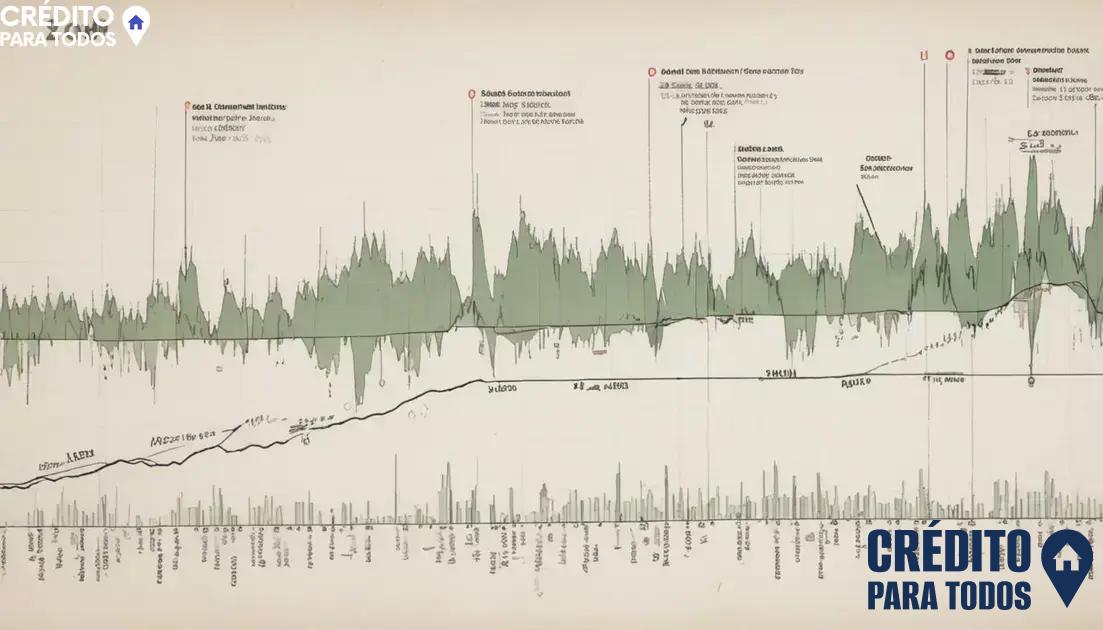
Examining historical Canadian dollar exchange trends helps reveal how the currency has performed across different economic cycles. Past data shows how the CAD reacts to global and domestic events.
Looking at previous movements helps investors and businesses identify patterns. These patterns can suggest how the currency might respond to similar conditions in the future.
Historical analysis supports better forecasting and financial planning. It gives context for understanding current exchange rate movements.
Decades of Change
Major Events Impacting Trends
Several key events have influenced the value of the CAD:
- The oil crises of the 1970s, which raised global oil prices.
- The 2008 financial crisis, leading to economic instability.
- The COVID-19 pandemic, which created unprecedented market volatility.
- Trade agreements affecting Canadian exports.
During good economic times, the CAD typically appreciates. For example, in the mid-2000s, rising oil prices strengthened the currency considerably. Conversely, the CAD weakened during periods of economic downturns, as seen in the wake of the 2008 financial crisis.
Looking at Recent Years
In the last decade, the CAD has shown resilience against the US dollar despite challenges. Factors such as trade policies, interest rate gaps, and the overall health of the Canadian economy have played critical roles. The relationship between the CAD and oil prices remains strong, with fluctuations often mirroring changes in the oil market.
Recently, geopolitical events have also affected the currency. Changes in U.S. policies surrounding trade and tariffs can lead to short-term volatility for the CAD. Understanding these trends offers insights into potential future movements.
In summary, analyzing the historical trends of the Canadian dollar exchange provides essential context for understanding its current value and potential future performance. Recognizing the impact of historical events and market conditions is crucial for making informed financial decisions.
Future predictions for the Canadian dollar
Economic Indicators to Watch
Several economic indicators play a crucial role in predicting the future of the CAD:
- Gross Domestic Product (GDP): The overall growth rate gives a snapshot of the economy’s health.
- Unemployment Rates: Lower unemployment generally signals a stronger economy, boosting the CAD.
- Inflation Rates: Rising inflation can lead to higher interest rates, strengthening the currency.
- Trade Balance: A positive trade balance usually indicates higher demand for the CAD.
Monitoring these indicators will help to clarify trends that could impact the CAD’s future performance.
Global Economic Factors
The Canadian dollar is heavily influenced by global economic conditions, especially the United States. As Canada’s largest trading partner, U.S. economic performance directly affects the CAD.
When the U.S. economy strengthens, trade demand and investor confidence often rise. This can support a stronger Canadian dollar.
If the U.S. economy weakens, trade activity and investment flows may decline. This can put downward pressure on the CAD.
Oil Prices Impact
Since Canada is a major oil producer, fluctuations in global oil prices have a direct effect on the CAD. If oil prices rise, the Canadian dollar typically strengthens due to increased revenue from exports. Conversely, a decline in oil prices often leads to a depreciation of the currency.
Investor sentiment and market speculation also play important roles. Traders will react to news, political events, and economic reports, which can lead to immediate shifts in currency value. Keeping an eye on market sentiment is vital when considering future predictions.
While it’s impossible to predict the currency’s future with certainty, analyzing trends and market conditions allows individuals and businesses to make informed decisions regarding the Canadian dollar exchange. Focus on economic indicators, global factors, and oil prices to gauge potential movements in the currency.
How exchange rates affect Canadian imports
Understanding how exchange rates affect Canadian imports is important for both businesses and consumers. When the Canadian dollar weakens, the cost of foreign goods typically rises.
Higher import costs often lead to increased retail prices on everyday products. Businesses may pass these higher expenses on to consumers.
These price increases can ripple through the economy. Currency weakness can influence inflation and overall cost of living.
The Impact of Currency Strength
When the Canadian dollar is strong, it can buy more foreign currency. This usually results in lower prices for imported goods and international purchases.
Lower import costs can help reduce retail prices for many consumer products. Businesses also benefit from cheaper foreign materials and components.
When the CAD weakens, imported goods become more expensive. These higher costs are often passed on to consumers through higher prices.
How Exchange Rates Drive Prices
There are several factors to consider:
- Direct Costs: A weaker CAD translates into higher direct costs for importing goods. For businesses, this can mean increased expenses that might be passed on to consumers.
- Cost of Manufacturing: If a company relies on imported materials, a fluctuating exchange rate can impact production costs. A weaker CAD raises the price of these essential materials.
- Consumer Choices: When imports become more expensive, consumers may turn to local products. This shift can benefit domestic industries but affect the variety of goods available.
It’s also essential to note how global economic conditions influence exchange rates. Events like political instability, changes in trade agreements, and economic downturns can lead to a depreciation of the Canadian dollar.
Long-term vs. Short-term Effects
While short-term changes in exchange rates can cause immediate shifts in import prices, long-term effects may take longer to manifest. Companies might adjust their import strategy based on expected trends. For instance, they might stockpile goods or diversify suppliers to mitigate risks associated with currency fluctuations.
Consumers, on the other hand, should be aware of how exchange rates impact their purchasing power and overall budget. Understanding the factors that influence the CAD can lead to more strategic shopping choices, especially for imported goods.
In summary, the effect of exchange rates on Canadian imports is significant. Both businesses and consumers must adapt to these changes, making informed decisions to navigate the complexities of the market.
Tips for exchanging Canadian dollars effectively

Exchanging Canadian dollar exchange effectively can help you save money and maximize value. Smart timing and provider choice can reduce unnecessary fees.
Whether traveling or making international purchases, comparing exchange rates is essential. Small rate differences can significantly impact total costs.
Knowing key exchange tips helps you protect your purchasing power. Planning ahead often leads to better currency conversion outcomes.
Know the Best Times to Exchange
Timing your currency exchange can make a significant difference in the amount you receive. Exchange rates fluctuate throughout the day based on market conditions. Pay attention to these trends to find the best rates:
- Monitor market news: Global events can impact exchange rates.
- Check rates regularly: Fluctuations can occur daily or even hourly.
- Use online tools: Many websites provide real-time exchange rate information.
By understanding these trends, you can choose the right time to exchange your currency.
Use Reliable Sources
When exchanging Canadian dollars, always choose reputable sources. There are various options available:
- Banks: Generally offer competitive rates and low fees.
- Currency exchange offices: These can be found in airports and tourist areas but may charge higher fees.
- Online services: Some online platforms provide better rates and convenient exchanges.
Comparing rates across different providers can help you find the best deal.
Avoid Airport Exchanges
Exchanging currency at airports is usually not the most cost-effective option. Airport exchange counters often offer weaker rates and higher service fees.
These added costs can significantly reduce the value of your money. Convenience often comes at a premium in airport locations.
Using a bank or reputable city exchange office is often a better choice. These providers typically offer more competitive rates and lower fees.
Keep an Eye on Fees
Always check for hidden fees associated with currency exchange. Some providers charge flat fees, while others may offer lower rates instead. Make sure to read the fine print so you know the total cost before making an exchange.
In addition, consider whether you need cash or if you can use credit or debit cards with no foreign transaction fees. This can help reduce the amount of cash you need to exchange.
Overall, following these tips for exchanging Canadian dollar exchange effectively can help maximize your currency value and save you money. Being informed and cautious will enhance your exchange experience, ensuring you get the best possible rates.
In conclusion, understanding the various aspects of the Canadian dollar exchange and its exchange rates is crucial for making informed decisions. By knowing the trends and factors that influence currency value, both businesses and consumers can better navigate the currency market.
Whether you are exchanging dollars for travel or managing imports, following these guidelines will help you achieve better results. Keeping an eye on economic indicators and learning effective exchange strategies will empower you to make smarter choices. Stay informed, and you will be able to maximize your currency exchange experience.
FAQ – Frequently Asked Questions about Canadian Dollar Exchange
How do exchange rates impact the value of Canadian imports?
Exchange rates affect how much Canadian consumers pay for imported goods. A weaker CAD makes imports more expensive.
What are some effective strategies for exchanging Canadian dollars?
To exchange effectively, monitor rates closely, choose reliable sources, and avoid airport exchanges where possible.
Are there hidden fees associated with currency exchange?
Yes, some providers charge hidden fees or offer less favorable rates. Always read the fine print.
What should I consider when timing my currency exchange?
Consider market trends and global events that can impact currency value to find the best timing for your exchange.