Post-Pandemic Spending Canada: Consumer Behavior Trends
Advertisements
Post-pandemic spending Canada reveals noticeable shifts in how consumers allocate their money. Shopping behaviors have evolved quickly as lifestyles, priorities, and economic conditions continue to change.
Many consumers are now prioritizing convenience and digital purchasing channels. Online shopping has become a dominant part of everyday spending patterns across the country.
Another major change is the growing preference for experiences and sustainable products. These trends reflect a deeper focus on value, well-being, and responsible consumption.
Understanding post-pandemic spending behavior
Understanding post-pandemic spending behavior reveals shifting patterns that can help businesses refine their strategies. Many consumers have changed how and where they spend money after recent global disruptions.
Purchasing habits now reflect new priorities, including convenience, digital access, and value. Businesses that recognize these shifts can respond more effectively to evolving demand.
Listening to consumer behavior and adapting quickly has become essential. Companies that adjust their offerings and communication strategies are more likely to stay competitive.
Trends Influencing Consumer Behavior
Several factors are driving changes in how people spend. From health concerns to economic impacts, these elements have reshaped priorities.
- Increased focus on health and safety, influencing choices in where to shop.
- Growth in online shopping, with users favoring convenience and speed.
- Shifts in spending toward local businesses and sustainable options.
Moreover, many consumers are now more budget-conscious. The pandemic has taught people the value of saving. As a result, spending is often more thoughtful. Customers seek value and quality over sheer quantity.
Impact of Technology
Future Spending Projections
Looking ahead, post-pandemic spending behavior is likely to continue evolving. Analysts predict a sustained interest in hybrid shopping experiences, combining online and in-store options.
- Long-term customer loyalty may hinge on personalized service.
- Businesses that foster community connections can thrive.
- Flexibility in payment options will increasingly attract buyers.
It’s crucial for businesses to stay informed about these behaviors. Adapting to the times can make a significant difference in customer retention and sales growth.
Key sectors experiencing growth
As we analyze key sectors experiencing growth in the post-pandemic economy, several areas stand out. These industries have adapted rapidly to shifting consumer needs and evolving market conditions.
Businesses that embraced innovation, digital transformation, and flexible strategies have managed to recover faster. Their ability to adjust operations has played a major role in maintaining competitiveness.
It is increasingly clear that resilience and adaptability are now essential for long-term success. The post-pandemic economy continues to reward sectors that respond quickly to change.
Technology and E-commerce
The technology sector continues to thrive, with e-commerce leading the charge. As more people shop online, businesses have invested in user-friendly platforms. This shift has created growth opportunities for companies that can offer a seamless online shopping experience.
- Investments in digital payment solutions have surged.
- Companies are utilizing AI to enhance customer service.
- Mobile shopping applications are increasingly popular.
Additionally, companies are leveraging social media for marketing and sales channels. This combination of technology and consumer engagement is driving substantial growth.
Health and Wellness
Sustainable Products and Services
The demand for sustainable products is rising as consumers become more environmentally aware. Many shoppers prioritize eco-friendly options, which has created a flourishing market for sustainable goods.
- Brands that practice sustainable sourcing are gaining loyalty.
- Consumers are willing to pay more for products that benefit the environment.
- Innovations in green technology are expanding possibilities.
This commitment to sustainability not only benefits the planet but also fosters brand loyalty among increasingly conscious consumers.
Overall, various sectors are experiencing significant growth by addressing consumer demands and adapting to new trends. Recognizing these sectors can help businesses strategize effectively for the future.
Changes in consumer preferences

Changes in consumer preferences have become increasingly evident after the pandemic. Several factors now influence how people decide what to buy.
Consumers are more attentive to value, convenience, and the overall experience of a product. These aspects increasingly guide purchasing behavior.
It is fascinating to observe how attitudes and priorities continue to evolve. These shifts are reshaping markets and influencing business strategies worldwide.
Shift Toward Health and Safety
First and foremost, health and safety have taken center stage. Consumers are more aware of the products they choose. They prefer brands that prioritize hygiene and safety. This shift has led to a rise in demand for:
- Clean and safe packaging solutions.
- Health-focused product offerings.
- Transparency about sourcing and manufacturing processes.
Brands that effectively communicate their commitment to health see stronger loyalty from shoppers.
Increased Focus on Sustainability
Another significant change is the growing preference for sustainable products. More consumers are considering the environmental impact of their purchases. This trend has led to a notable increase in demand for:
- Eco-friendly materials and practices.
- Brands with sustainable missions.
- Recyclable and reusable product options.
Many shoppers are willing to pay a premium for products that align with their values, showing a clear shift in buying motives.
Additionally, technology influences preferences. The rise of online shopping has transformed how consumers research and purchase goods. Many now rely heavily on reviews, social media, and online recommendations to guide their choices.
Consumers are also favoring brands that provide a personalized shopping experience. This means companies need to adapt their strategies accordingly, ensuring that they meet consumer expectations regarding convenience and engagement.
Overall, understanding these changes in consumer preferences is essential for businesses aiming to thrive in this new market landscape. By staying attuned to what customers want, brands can position themselves for future success.
Impact of digital shopping trends
Growth of E-commerce
E-commerce has seen remarkable growth. Many consumers now prefer the convenience of shopping from home. This has resulted in increased sales for online retailers. Companies must ensure they have robust online platforms to capture this customer base.
- Online sales have surged, with many businesses reporting record numbers.
- Mobile shopping has become very popular, as consumers enjoy using smartphones to shop.
- Brands that invest in user-friendly websites and apps thrive.
Product delivery speeds have also improved, as consumers expect quick shipping options. Many shoppers now choose companies based on their ability to deliver orders in a timely manner.
Social Media Influence
Social media plays a crucial role in shaping digital shopping trends. Many brands use platforms like Instagram and Facebook to market their products. Influencer partnerships have become a powerful marketing tool.
- Consumers often purchase items after seeing them on social media.
- Live shopping events are gaining popularity, where brands showcase products in real-time.
- User-generated content creates trust and encourages purchases.
As a result, brands need to create engaging online content to attract shoppers. Connecting with audiences on social media can influence their buying decisions significantly.
Additionally, personalized marketing has become essential. Customers appreciate tailored experiences, leading to higher engagement and conversion rates. Brands that utilize data analytics can effectively respond to consumer behaviors and preferences.
Ultimately, the impact of digital shopping trends is profound, changing how businesses connect with consumers. Adapting to these shifts is vital for long-term success in the retail market.
Regional variances in spending
Urban vs. Rural Spending
One noticeable difference is between urban and rural areas. Urban markets often showcase a higher demand for convenience products and luxury items. Residents in these areas may have greater disposable income and access to a variety of shopping options.
- Urban consumers focus on fast delivery services.
- More frequent dining out, reflecting a bustling lifestyle.
- A trend towards luxury and brand-name products.
In contrast, rural consumers tend to prioritize value and practicality. Accessibility to larger retail options may be limited, influencing their purchasing decisions.
Regional Economic Factors
Economic conditions in different regions also play a crucial role. Areas with strong job markets typically see increased spending.
In contrast, regions facing economic challenges may exhibit more cautious spending behaviors. For instance, households in economically thriving regions might spend more on entertainment, travel, and home improvements.
Conversely, in areas struggling economically, consumers may focus on essentials. This leads to an increased interest in discount retailers and value brands, reflecting the need for budgeting in uncertain times.
Cultural Influences
Cultural factors further shape spending habits. For instance, certain regions may have cultural celebrations or traditions that drive seasonal spending. Regional festivals and holidays can lead to spikes in purchases related to food, clothing, or gifts.
- Communities celebrating local festivals often spend more.
- Traditions can affect preferences for specific products.
- Local businesses may thrive during cultural events, capturing customer loyalty.
Understanding these variances helps businesses craft targeted marketing strategies. By acknowledging the unique needs of each region, companies can enhance their offerings to better serve local consumers.
Predictions for future spending patterns
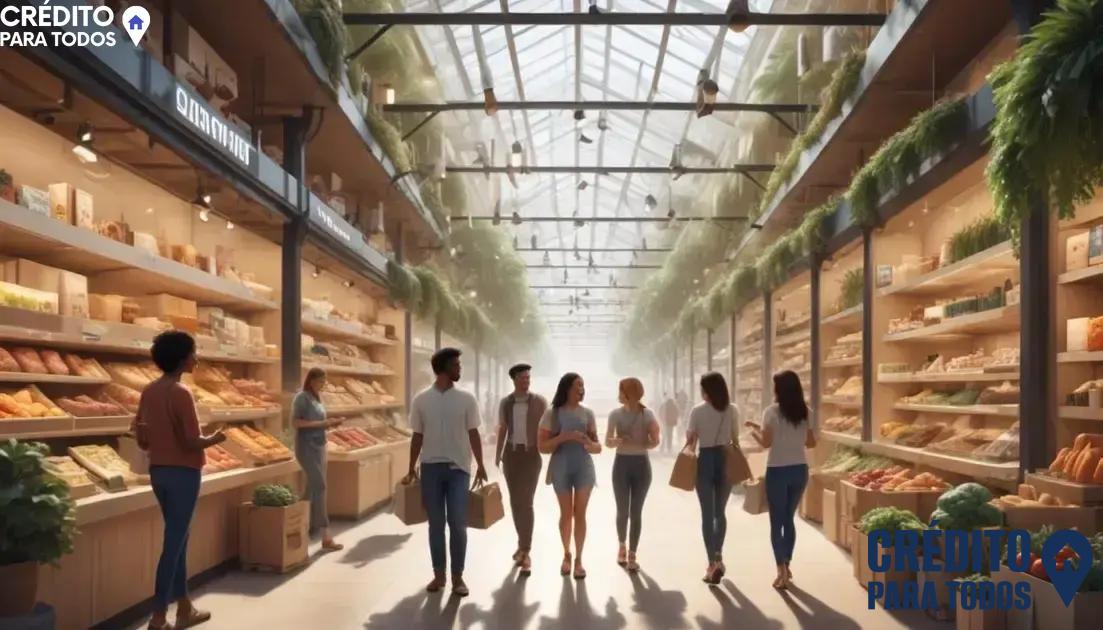
Predictions for post-pandemic spending patterns indicate a distinct shift in consumer behavior as we enter a post-pandemic world. These changes will impact various sectors and require businesses to adapt effectively.
Emphasis on Online Shopping
One major trend is the continued emphasis on online shopping. Many consumers have become accustomed to the convenience of shopping from anywhere. This shift means that businesses must invest in robust e-commerce platforms to cater to consumer needs. Consumers will expect:
- Seamless online experiences with easy navigation.
- Quick shipping and reliable delivery options.
- Flexible return policies to enhance confidence in online purchases.
As online shopping becomes more prominent, companies may also focus on enhancing their digital marketing strategies to attract consumers online.
Sustainable Consumption
Another significant trend is a growing interest in sustainability. Consumers are becoming more aware of their environmental impact and increasingly favor brands that prioritize eco-friendly practices. This change in mindset could lead to:
- A higher demand for sustainable and ethically sourced products.
- Increased spending on items that promote health and environmental well-being.
- Consumers opting for minimalistic lifestyles, preferring quality over quantity.
Brands that emphasize sustainability are likely to see increased loyalty from a more conscious consumer base.
Focus on Experiences
Additionally, consumers are predicted to shift their spending habits toward experiences rather than just products. People may prioritize activities that create lasting memories. This trend could result in:
- Heightened interest in travel and leisure activities.
- Continued spending on dining out and social gatherings.
- Investments in entertainment options such as events and excursions.
As travel restrictions ease, businesses in the hospitality and entertainment sectors may see a revival as spending shifts towards creating experiences.
Overall, these predictions for post-pandemic spending patterns highlight emerging consumer priorities that businesses must consider to stay competitive and relevant.
FAQ – Frequently Asked Questions about Post-Pandemic Spending Trends
What are the main trends in consumer spending Post-Pandemic?
Main trends include a strong shift towards online shopping, increased demand for sustainable products, and a focus on experiences over material goods.
How has online shopping changed consumer behavior?
Consumers now prioritize convenience, quick delivery, and user-friendly interfaces, which are critical for businesses to succeed in the e-commerce space.
Why is sustainability important to today’s consumers?
Today’s consumers are more environmentally conscious and prefer brands that demonstrate eco-friendly practices and sustainable sourcing.
How can businesses adapt to these new spending patterns?
Businesses can adapt by enhancing their online presence, implementing sustainable practices, and focusing on providing experiences that resonate with consumers.