Canada Food Inflation 2026: Impact on Grocery Bills
Advertisements
Canada food inflation 2026 continues to affect grocery budgets despite slower recent price increases. Discover the latest Statistics Canada data, the causes of rising food costs, climate-related challenges, consumer shopping trends, and practical ways to save money.
Canada food inflation 2026 remains an important concern for households trying to manage grocery expenses while balancing rent, transportation, utilities, and other essential costs. Understanding food price trends can help families make informed decisions.
Although grocery inflation slowed during September 2026, many products remain considerably more expensive than they were several years ago. Production costs, international trade conditions, weather events, and changes in consumer demand continue influencing prices.
This guide examines the latest Canadian food inflation figures, explains the factors behind grocery costs, and explores practical shopping strategies. It also considers how technology and changing consumer preferences could shape Canada’s food market.
Understanding Food Inflation in Canada
Food inflation measures how the prices of food products change over time, helping consumers understand whether their grocery spending is increasing or decreasing. Statistics Canada tracks these changes through its Consumer Price Index.
Different food categories can experience different price movements because agricultural production, transportation, processing, and retail conditions vary. Meat prices may increase while certain fruits or vegetables become temporarily less expensive.
Understanding these differences helps households identify the products that are putting the greatest pressure on their budgets. It also explains why national inflation figures may not match every family’s grocery experience.
Factors Influencing Food Prices
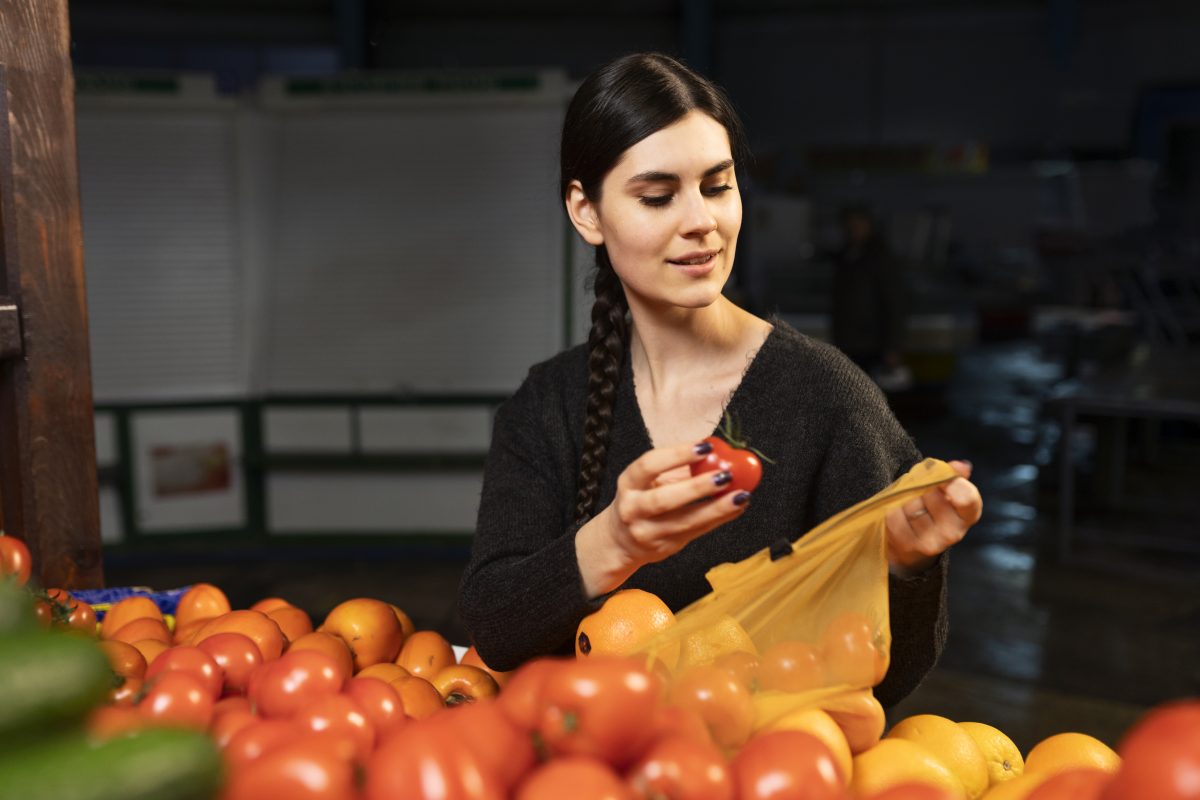
Food prices are influenced by agricultural production costs, transportation expenses, labour availability, and international market conditions. Farmers and food manufacturers may face higher expenses for equipment, packaging, fertilizer, and other essential materials.
Weather conditions can also affect food availability when droughts, floods, or extreme temperatures damage crops. Reduced production may increase prices when demand remains strong and alternative supplies are difficult to obtain.
Retail competition and consumer purchasing habits contribute to the final prices Canadians see in stores. Businesses consider operating costs, inventory levels, demand, and competing offers when determining how much to charge.
What the Latest 2026 Food Inflation Data Shows
Statistics Canada reported that grocery prices increased 1.7% over the 12 months ending in September 2026. This was lower than the 2.8% annual increase recorded in August of the same year.
The overall Consumer Price Index rose 3.1% year over year in September, showing that grocery price growth was slower than inflation across the broader economy. However, this does not mean groceries returned to earlier prices.
According to Statistics Canada, food purchased from stores cost approximately 33% more in September 2026 than in September 2020. This longer-term increase helps explain why many households still experience financial pressure.
Monitoring Food Inflation
Following official inflation reports can help consumers understand which food categories are becoming more or less expensive. Statistics Canada publishes monthly Consumer Price Index data covering groceries and other household expenditures.
However, national averages do not represent the exact prices charged by every supermarket or experienced by every household. Regional differences, shopping preferences, and product availability can affect individual grocery bills.
Keeping receipts and tracking frequently purchased products provides a useful comparison with national data. This approach allows families to identify meaningful changes in their regular expenses and adjust shopping plans.
Key Factors Driving Food Prices Up
Canadian grocery prices reflect a complex combination of domestic production costs, global trade, retailer operations, and consumer demand. These influences can affect different products at different times throughout the year.
Even when inflation slows, businesses may continue facing expenses that keep retail prices elevated. Lower price growth means products are becoming more expensive at a slower rate, not necessarily becoming cheaper.
Understanding the main drivers of food inflation can help households recognize which changes are temporary and which may have longer-lasting consequences. This knowledge supports more realistic grocery budgeting and purchasing decisions.
Supply Chain Disruptions
Food supply chains involve farmers, processors, transportation providers, distributors, and retailers working together to deliver products. Disruptions at any stage can influence availability and increase operating expenses.
Severe weather, transportation delays, international conflicts, and labour shortages may interfere with production or distribution. Businesses sometimes respond by changing suppliers, increasing inventory, or adjusting retail prices.
The effects depend on the product and the availability of alternatives. Some disruptions cause temporary shortages, while others create longer-term changes in production costs and supply arrangements.
Transportation and Production Costs
Transportation expenses influence the cost of moving food between farms, processing facilities, distribution centres, and stores. Fuel prices, vehicle maintenance, and logistics requirements can all affect these operations.
Food manufacturers also pay for electricity, packaging, equipment, and labour during production. When several expenses increase simultaneously, companies may face additional pressure to adjust their selling prices.
However, higher business costs do not always translate into equivalent retail price increases. Competition, contracts, and purchasing decisions determine how much of the additional expense consumers eventually pay.
International Trade and Import Costs
Canada imports various food products and ingredients that are not always available domestically throughout the year. Changes in international trade conditions can therefore influence certain grocery categories.
Tariffs, currency fluctuations, and transportation expenses may affect the price of imported merchandise. The impact varies depending on the product, supplier relationships, and availability of alternative sources.
Canada’s Food Price Report 2026 identified trade disputes and changes in the Canadian dollar as factors worth monitoring. However, these influences should not be treated as the sole explanation for grocery inflation.
The Impact of Inflation
General inflation can influence food production when businesses face higher expenses for transportation, equipment, energy, and services. These costs may affect the prices charged throughout the food supply chain.
Consumers also experience broader financial pressure when housing, transportation, and other necessities become more expensive. This can leave less income available for groceries, even if food inflation slows.
Monitoring household expenses alongside national inflation reports helps families understand their financial situation. The most practical response is to make decisions based on actual spending rather than inflation figures alone.
The Impact of Climate Change on Food Costs
Climate conditions influence Canadian agriculture by affecting growing seasons, crop yields, livestock production, and the availability of water. Extreme weather can create challenges for farmers and food suppliers.
Droughts, floods, heat waves, and severe storms may reduce production or damage transportation infrastructure. These disruptions can affect food availability and contribute to price increases in certain categories.
However, climate-related effects vary by region, crop, and season, making precise price predictions difficult. Understanding agricultural conditions can provide useful context without assuming every grocery price increase is caused by climate change.
How Climate Affects Agriculture
Changes in temperature and rainfall patterns can affect crop development, harvest timing, and agricultural productivity. Some growing regions may face more frequent weather-related difficulties than others.
Farmers may also encounter changing pest populations, soil conditions, and irrigation requirements. These challenges can increase operating costs or require adjustments in how crops are planted and managed.
Agricultural producers can respond through improved equipment, crop management, and more resilient varieties. The effectiveness of these measures depends on local conditions, available resources, and long-term planning.
Extreme Weather and Food Supply Chains
Extreme weather can disrupt food distribution even when agricultural production remains relatively stable. Flooded roads, damaged infrastructure, and transportation restrictions may delay deliveries to stores and distribution centres.
Perishable foods are particularly sensitive to interruptions because they require timely transportation and appropriate storage conditions. Delays can increase spoilage and create temporary shortages in affected markets.
These situations may influence local prices until supply arrangements recover. However, the duration and financial impact of each event depend on the availability of alternative transportation and suppliers.
Long-Term Effects on Food Prices
Long-term climate changes may influence where certain crops can be grown and how agricultural producers manage seasonal risks. These adjustments could affect future production expenses and food availability.
Investments in irrigation, technology, storage, and more resilient agricultural practices may help some producers respond to changing conditions. However, such improvements can require substantial time and financial resources.
For consumers, the most useful approach is to recognize that agricultural prices can fluctuate. Flexible meal planning and price comparisons can help households adapt when particular foods become temporarily more expensive.
How Consumer Behaviour Influences Prices
Consumer demand influences the food market because retailers and producers respond to changes in purchasing habits. Popular products may experience stronger demand, while interest in other categories may decline.
However, demand does not determine prices independently of supply, competition, and production costs. Businesses must consider available inventory, purchasing patterns, and their operating expenses when establishing prices.
Understanding these relationships can help shoppers recognize why promotions, seasonal changes, and consumer preferences sometimes influence the cost of specific grocery products.
Trends and Preferences
Canadian shoppers may prioritize different characteristics when selecting food, including affordability, convenience, nutritional value, environmental considerations, and product origin. These preferences can influence retailer inventories and marketing strategies.
Interest in plant-based products, locally sourced food, and convenient meal options provides opportunities for manufacturers to develop alternatives. However, demand varies across regions and consumer groups.
Products marketed toward particular preferences are not necessarily less expensive or nutritionally superior. Comparing labels, ingredients, package sizes, and prices remains important when making purchasing decisions.
Seasonal Demand and Grocery Prices
Some foods experience predictable changes in demand throughout the year, particularly around holidays and seasonal celebrations. Retailers may adjust promotions and inventory levels to match expected purchasing patterns.
Seasonal availability also influences the price of fresh produce, depending on growing conditions and import requirements. Certain fruits and vegetables may become more affordable when local production is abundant.
Consumers can use these patterns to plan purchases more effectively without assuming seasonal products are always cheaper. Checking current store prices remains the most reliable approach.
Influence of Marketing
Advertising, product placement, and promotional campaigns can influence which foods shoppers notice and choose. Retailers use these strategies to highlight new products, discounts, and frequently purchased items.
Promotions can provide genuine savings when they apply to products that households already need. However, limited-time offers may also encourage unnecessary purchases or spending beyond the original budget.
Comparing final prices and following a prepared grocery list can help consumers evaluate advertising more carefully. This supports purchasing decisions based on household needs rather than promotional pressure.
Stockpiling and Changes in Demand
During periods of uncertainty, some households may purchase larger quantities of food and essential products. Sudden increases in demand can temporarily reduce available inventory at particular stores.
Buying more than a household can reasonably consume may create waste and unnecessary financial pressure. This is especially relevant for perishable products with limited storage life.
Maintaining a reasonable supply of regularly used groceries can support household planning. However, purchasing decisions should reflect actual needs, available storage, and monthly financial limits.
Tips for Budgeting During Inflation Spikes
Budgeting becomes particularly important when grocery expenses increase faster than household income. A flexible spending plan can help families prioritize food and other essential financial obligations.
Tracking purchases provides a clearer understanding of where money is being spent and which categories require adjustments. Grocery receipts can reveal changes in both product prices and purchasing quantities.
The objective is to maintain access to nutritious foods while reducing unnecessary expenses. Practical changes to meal planning, shopping habits, and household organization can support this goal.
Smart Shopping Strategies
Prepare a weekly grocery list based on meals your household plans to cook and ingredients already available at home. This reduces unnecessary purchases and helps prevent food from being forgotten.
Compare unit prices when choosing between brands or package sizes, because larger packages are not automatically more economical. Store brands and suitable substitutes may provide better value in certain categories.
Use coupons and promotions when they apply to purchases your family already intends to make. Avoid spending extra simply to qualify for discounts or loyalty rewards.
Meal Planning and Food Waste Reduction
Meal planning helps households organize grocery purchases around realistic portions and affordable ingredients. Preparing several meals in advance can reduce dependence on expensive last-minute alternatives.
Consider using ingredients across multiple dishes to prevent partially used products from going to waste. Proper refrigeration, freezing, and storage can also extend the usefulness of suitable foods.
Reducing food waste is particularly valuable when grocery prices remain elevated. Money spent on products that spoil before consumption provides no practical benefit to the household.
Review Your Subscriptions
Household budgets include expenses beyond groceries, making it useful to review streaming services, memberships, and automatic payments. These recurring charges can reduce the money available for essential purchases.
Identify services that receive limited use or offer features already available through another subscription. Canceling unnecessary payments may create additional space in the monthly budget.
However, review cancellation conditions and potential fees before making changes. A thoughtful comparison helps ensure that reducing one expense does not create unexpected costs elsewhere.
Building Emergency Savings
Emergency savings can help families manage unexpected expenses without immediately relying on high-interest borrowing. Medical bills, household repairs, and transportation problems may create financial pressure at inconvenient times.
Start with a savings target that matches your current income and necessary expenses. Small regular contributions can be more realistic than attempting to save a large amount immediately.
Keep emergency funds accessible for genuine unexpected needs while maintaining a separate budget for ordinary groceries. This distinction helps protect savings from everyday spending decisions.
Future Trends in Canada’s Food Market
Canada’s food market continues to evolve through changes in production technology, consumer preferences, sustainability practices, and international trade. These developments may influence how food is grown, distributed, and purchased.
However, technological innovation does not automatically translate into lower grocery prices. Operating costs, investment requirements, consumer demand, and competition all influence the financial effects of new systems.
Understanding these developments can help consumers recognize potential changes without relying on predictions that have not yet been confirmed. The future market will likely reflect several trends rather than one dominant transformation.
Technological Innovations
Agricultural technology can support farmers through improved monitoring, irrigation management, and production planning. Sensors, digital tools, and automated equipment may help producers understand growing conditions more precisely.
Indoor agriculture, hydroponics, and vertical farming provide alternative methods for producing certain crops. Their economic benefits depend on energy costs, equipment expenses, available infrastructure, and production scale.
Food retailers are also expanding digital services that support online orders and inventory management. These tools may improve convenience, although delivery charges and product pricing still influence household costs.
Smart Agriculture and Food Production
Smart agriculture uses technology to collect and analyze information about crops, soil, water, and weather conditions. Producers can use these insights to support decisions about planting, irrigation, and harvesting.
Some farms also use drones or sensors to identify changes in crop health and field conditions. However, adopting these technologies requires investment and does not guarantee higher yields in every situation.
Successful agricultural innovation depends on how well new tools address practical challenges. Affordability, technical support, and compatibility with existing operations influence whether producers can benefit.
Online Grocery Shopping and Digital Services
Online grocery platforms allow consumers to compare products, prepare shopping baskets, and arrange delivery or pickup. These services can make purchasing more convenient for households with limited time.
However, digital grocery orders may include service charges, delivery fees, or different promotional conditions. The most convenient option is not necessarily the least expensive.
Families can compare online and in-store prices before selecting a shopping method. Evaluating the full cost helps determine whether the convenience justifies any additional expense.
Food Sustainability and Traceability
Food traceability systems help businesses record information about product origins and movement through supply chains. These records can support quality management, inventory control, and selected food safety processes.
Consumers may also consider packaging, food waste, and production practices when choosing products. However, sustainability claims should be evaluated using reliable information rather than marketing language alone.
Practical household actions include reducing waste, planning purchases, and storing food correctly. These habits can support both financial efficiency and more responsible resource use.
Health and Wellness
Interest in nutrition and wellness may influence demand for foods marketed around protein, fibre, probiotics, or other ingredients. However, individual products should be evaluated according to their nutritional composition.
Canadian consumers should use appropriate Canadian nutrition guidance when assessing food choices. The United States’ health benefits framework addresses health insurance coverage and should not be confused with nutritional guidance for Canadian households.
Affordable nutrition does not necessarily require premium products or expensive dietary trends. Balanced meal planning can incorporate familiar foods while considering household preferences and available resources.
What Canada’s Food Price Report 2026 Predicted
Canada’s Food Price Report 2026, published in December 2025 by researchers from several Canadian universities, projected an overall annual food price increase between 4% and 6%. The forecast reflected information available at that time.
Its estimates suggested that a reference family of four could spend up to approximately $17,572 on food in 2026, representing an increase of nearly $995 from the previous year.
These figures describe a modeled household and a forecast, not a guaranteed expense for every Canadian family. Actual costs depend on household size, dietary preferences, location, and purchasing habits.
Food Categories Expected to Face Price Pressure
The report projected relatively strong price growth for meat, with an anticipated annual increase between 5% and 7%. This forecast reflected expected market pressures rather than a confirmed final result.
Vegetables were projected to increase by 3% to 5%, while fruit prices were expected to rise more moderately. These estimates illustrate why different grocery categories may follow different patterns.
Actual price changes can diverge from annual forecasts as weather, trade conditions, supply, and demand evolve. Consumers should consult Statistics Canada’s monthly reports for observed inflation figures.
How the Forecast Compares With September Data
The September 2026 Consumer Price Index showed that grocery prices increased 1.7% compared with September 2025. This was slower than the overall annual forecast published before 2026 began.
However, a single month’s year-over-year rate is not directly equivalent to the forecast for annual average food price changes. Different measurement periods can produce different results.
It is therefore important to distinguish projections from observed economic data. The complete outcome for 2026 can only be assessed after the relevant year-end statistics become available.
Practical Ways to Manage Canada Food Inflation in 2026
Managing Canada food inflation 2026 begins with understanding household spending rather than relying exclusively on national averages. Families can use current grocery prices to identify opportunities for realistic savings.
Meal planning, comparing unit prices, monitoring promotions, and reducing food waste can support more effective purchasing decisions. These approaches are useful even when the annual rate of grocery inflation declines.
The following table summarizes five practical strategies for organizing household spending and responding to changing food costs. Each approach should be adapted to individual needs and financial circumstances.
FAQ – Frequently Asked Questions about Food Inflation in Canada
What causes food inflation in Canada?
Food inflation in Canada results from several interconnected factors, including agricultural production costs, transportation expenses, labour conditions, weather events, international trade, and consumer demand. These influences affect food categories differently. According to Statistics Canada, grocery prices increased 1.7% over the 12 months ending in September 2026, although individual products experienced different price changes.
How can I budget effectively during inflation spikes?
Start by tracking regular grocery expenses and creating a realistic spending limit based on household income. Plan meals before shopping, compare unit prices, review promotions, and consider suitable lower-cost alternatives. Buying in bulk may help when products have a lower unit price and can be used before they expire. Regular budget reviews make it easier to adapt when costs change.
What are some future trends in Canada’s food market?
Potential developments include greater use of agricultural technology, expanded online grocery services, improved food traceability, and changing preferences involving sustainability and nutrition. However, these trends do not guarantee lower prices or identical outcomes across the country. Their effects will depend on production costs, investment, consumer demand, competition, and broader economic conditions.
How does consumer behaviour affect food prices?
Consumer behaviour influences demand for particular foods, brands, and product categories. Increased demand may contribute to higher prices when supply is limited, while shifts toward alternatives can change purchasing patterns. Retail promotions, seasonal habits, and product preferences also affect demand. However, prices depend on several factors beyond consumer choices, including supply conditions and operating costs.
Conclusion
Canada food inflation 2026 remains relevant for households managing grocery costs and broader financial responsibilities. Although annual grocery price growth slowed to 1.7% in September, food remained substantially more expensive than several years earlier.
Climate conditions, production expenses, transportation, trade policies, and consumer preferences all influence Canada’s food market. Understanding these factors helps explain why grocery prices vary across products, provinces, and shopping periods.
Families can respond through realistic budgeting, careful price comparisons, meal planning, and reducing unnecessary food waste. Consistent financial habits can support household stability even when future inflation trends remain uncertain.