Asset freeze financial markets: what you need to know
Advertisements
Asset freeze financial markets involve legal measures that restrict access to financial assets, impacting individuals and organizations and creating significant effects on market stability and investor confidence.
Asset freeze financial markets are not just complex legal maneuvers; they have real-world consequences that affect investors and consumers alike. Have you ever wondered how your investments might react to such measures? Let’s explore these effects together.
Understanding asset freezes
Understanding asset freezes is essential, especially in today’s complex financial landscape. These measures can impact individuals, companies, and entire nations. An asset freeze typically means that a person or organization cannot access or transfer their financial assets.
This action is usually taken by governments or regulatory bodies during investigations or legal proceedings against alleged wrongdoing.
When an asset freeze occurs, it can lead to significant consequences. Individuals may find themselves unable to pay bills, access funds for daily needs, or conduct business operations. Companies can suffer from halted revenue streams, which might lead to layoffs or bankruptcy.
Key Reasons for Asset Freezes
There are several key reasons why asset freezes might be imposed:
- Preventing fraud and money laundering.
- Ensuring compliance during investigations.
- Protecting victims in cases of financial crime.
These reasons highlight the importance of understanding the legal frameworks surrounding asset freezes. Governments may act swiftly to freeze assets when there are signs of illegal activity.
A proactive approach to compliance can help individuals and businesses avoid getting caught in these legalities.
Types of Asset Freezes
Asset freezes can vary significantly depending on the context. Here are some common types:
- Criminal asset freezes: These are typically used in the context of investigations related to crimes.
- Civil asset freezes: These are often employed in civil litigation cases to secure assets before judgment.
- Sanction-based freezes: Governments may freeze assets of individuals or entities in response to sanctions related to international relations.
Understanding these differentiations is crucial for navigating potential financial challenges. As we delve deeper into the implications of asset freezes, it becomes clear that awareness and preparedness play vital roles in safeguarding against unexpected restrictions.
Historical examples of asset freezes
Historical examples of asset freezes provide valuable insights into their impacts and purposes. These instances often reveal the motivations behind such actions and the consequences for individuals and organizations.
One notable example is the asset freeze imposed on Russia in response to international conflicts, particularly during the annexation of Crimea in 2014.
This global response involved numerous countries freezing the assets of major Russian banks and oligarchs. The goal was to pressure the Russian government by restricting access to financial resources. Such measures are crucial in international relations, as they aim to uphold diplomatic standards.
Noteworthy Cases of Asset Freezes
There are several noteworthy cases to consider:
- The United Nations sanctions on North Korea: Multiple asset freezes targeted the country due to its nuclear weapons program.
- U.S. sanctions on Iran: These sanctions included freezing assets to curb terrorism and nuclear proliferation.
- Freezes due to anti-corruption measures: Many nations impose asset freezes on politicians or business leaders accused of corruption to restore public trust.
Each of these cases demonstrates how asset freezes serve as tools for governments and organizations to influence behavior effectively. Understanding these historical contexts is key to grasping the broader implications of asset freezes.
In addition to these high-profile examples, there are also smaller-scale instances that highlight the effects on individuals.
For example, asset freezes can occur during divorce proceedings or disputes over financial obligations. These actions can suddenly disrupt lives and require immediate legal intervention.
Impact on global financial markets
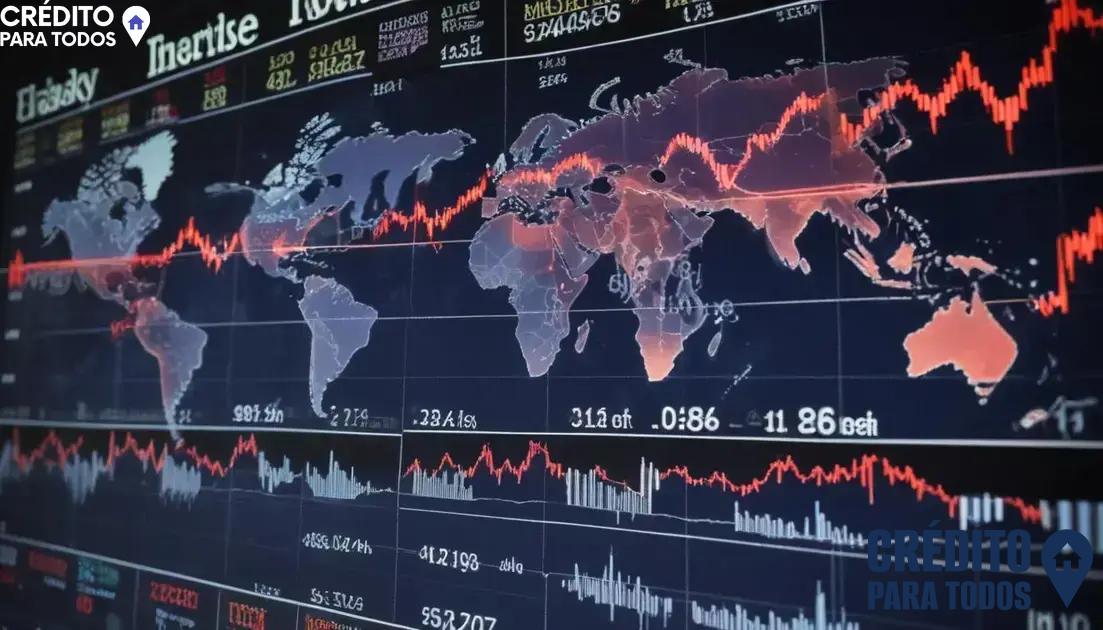
The impact on global financial markets due to asset freezes can be significant and far-reaching. When countries impose asset freezes, they do not just affect the individuals or entities targeted; they create ripples throughout the entire financial ecosystem.
Changes in trading dynamics often occur as investors react to news about asset freezes. This reaction can lead to increased market volatility.
For example, when sanctions are announced against a country, its currency typically weakens. As a result, investors may pull out their investments, fearing further losses.
Key Effects of Asset Freezes
Several key effects can emerge from asset freezes:
- Market Volatility: Rapid changes in asset values can lead to significant market swings, making investments riskier.
- Loss of Investor Confidence: Asset freezes can deter investors from entering markets perceived as unstable.
- Reduced Liquidity: When assets are frozen, the ability to buy and sell becomes limited, affecting overall market health.
These impacts often extend beyond individual markets, affecting global trade relationships. For instance, countries reliant on exports may find their markets shrinking due to sanctions. This decline can lead to economic downturns, further provoking political unrest.
Moreover, asset freezes can also prompt countries to develop alternative financial systems. In response, nations may seek to bypass international banking systems, potentially leading to the emergence of new economic alliances.
Legal implications of asset freezes
The legal implications of asset freezes are complex and vary widely based on jurisdiction and the circumstances surrounding each case.
These actions are often based on laws designed to combat financial crime, prevent fraud, and uphold national security. Understanding these legal frameworks is essential for anyone affected by such measures.
When an asset freeze is imposed, it typically involves a legal order that restricts access to specific assets. This means individuals or companies cannot sell, transfer, or access their funds until the freeze is lifted. The legal basis for these actions often includes statutes related to anti-money laundering and counter-terrorism.
Key Legal Considerations
Several key legal considerations come into play during an asset freeze:
- Due Process: Individuals subjected to asset freezes usually have the right to be informed of the reasons for the action.
- Challenging the Freeze: Affected parties can appeal the freeze in court, providing evidence to contest the legality.
- Time Limits: Many jurisdictions have specific time frames within which authorities must act to review and lift the freeze.
These considerations are crucial for protecting the rights of individuals while ensuring that laws are enforced effectively. The process can be lengthy, often requiring legal assistance to navigate the complexities involved.
Furthermore, asset freezes can lead to unintended consequences for innocent parties. For instance, if a business partner is implicated in wrongdoing, the entire company may face frozen assets. This situation highlights the need for clear legal guidelines to prevent collateral damage.
How individuals can prepare for asset freezes
Understanding how individuals can prepare for asset freezes is vital in today’s uncertain financial climate. Being proactive can help mitigate the impact of an unexpected asset freeze on personal finances. By taking specific steps, individuals can protect their assets and ensure financial stability.
One effective strategy is to maintain transparent financial records. Keeping detailed accounts of your assets helps clarify ownership and reduces confusion, especially if a freeze occurs. Regular updates to your financial documents are also crucial.
Key Steps to Prepare
Here are some key steps individuals can take to prepare:
- Diversify Investments: Avoid putting all your assets in one place. Spread investments across different categories to minimize risk.
- Stay Informed: Follow news related to potential sanctions or asset freezes. Awareness can provide valuable lead time to make adjustments.
- Consult a Financial Advisor: Get professional advice on asset management. A financial expert can help you create a robust plan.
In addition to these strategies, it’s important to have contingency plans in place. Consider setting aside emergency funds that are easily accessible. This buffer can provide necessary relief during financial uncertainty caused by asset freezes.
Finally, understanding the legal landscape surrounding asset freezes can empower individuals. Familiarize yourself with your rights and any applicable laws in your jurisdiction. This knowledge can be crucial if you need to contest an asset freeze later.
Future trends in financial regulations

The future trends in financial regulations are rapidly evolving as governments and organizations strive to keep pace with changing global dynamics.
With the rise of technology and increased financial complexity, regulations are adapting to ensure stability and security in the financial markets.
One significant trend is the enhanced focus on transparency. Organizations are now required to disclose more information, particularly regarding their financial activities. This move aims to build trust with consumers and investors and to mitigate risks associated with fraud.
Key Trends in Financial Regulations
Several key trends are shaping the landscape of financial regulations:
- Increased Digital Compliance: As digital transactions rise, regulations will focus more on online platforms, requiring stricter compliance measures.
- Focus on Environmental, Social, and Governance (ESG) Criteria: Regulators are starting to demand that companies disclose their impact on the environment and society.
- Collaboration with International Bodies: Countries are likely to work more closely with international regulatory agencies to create uniform standards.
Moreover, technology such as blockchain and artificial intelligence is influencing future regulatory practices. These technologies can help organizations track transactions more efficiently, reducing the potential for fraud.
As the financial landscape continues to change, staying informed about regulatory developments will be crucial for businesses and individuals. Adapting to these trends can provide a competitive advantage and ensure compliance with evolving laws.
FAQ – Frequently Asked Questions about Asset Freezes and Financial Regulations
What is an asset freeze?
An asset freeze is a legal measure that restricts an individual or organization’s ability to access or transfer their financial assets.
What should I do if my assets are frozen?
If your assets are frozen, consult a legal expert to understand your rights and explore options to challenge the freeze.
How can I prepare for potential asset freezes?
To prepare, maintain clear financial records, diversify your investments, and stay informed about regulatory changes.
What are the future trends in financial regulations?
Future trends include increased digital compliance, a focus on environmental and social governance, and greater collaboration among international regulatory bodies.