US Digital Payments Growth: Key Developments in 2026
Advertisements
The growth of US digital payments in 2026 is expected to be driven by continued innovation in financial technology, increasing consumer adoption of mobile-first payment solutions, and expanding real-time payment infrastructure. As businesses and financial institutions invest in faster, more secure transaction methods, digital payments are becoming an essential part of everyday commerce.
Key technologies shaping this evolution include artificial intelligence for fraud detection, blockchain for selected payment and settlement applications, biometric authentication, and the growing use of mobile wallets and embedded payment experiences. At the same time, instant payment networks and contactless transactions are making payments more convenient while improving speed and reliability for consumers and merchants alike.
Looking ahead, the future of digital payments in the United States will depend on balancing innovation with strong cybersecurity, regulatory compliance, and consumer trust. Organizations that embrace emerging technologies while prioritizing privacy, security, and seamless user experiences will be best positioned to succeed as the digital payments ecosystem continues to expand.
Current trends in digital payments
As we explore the current trends in digital payments, it is clear that innovation continues to reshape the financial landscape. Advances in mobile technology, artificial intelligence, real-time payment systems, and contactless transactions are making payments faster, more secure, and more convenient for both consumers and businesses.
Digital wallets, embedded finance, biometric authentication, and instant payment networks are becoming increasingly common, allowing users to complete transactions seamlessly across online and physical channels. At the same time, merchants are adopting integrated payment solutions that simplify checkout experiences while improving fraud detection and customer engagement.
Looking ahead, the digital payments ecosystem is expected to continue evolving as new technologies emerge and consumer expectations grow. Organizations that embrace innovation, prioritize cybersecurity, and deliver frictionless payment experiences will be well positioned to succeed in an increasingly connected and cashless economy.
Mobile Wallet Adoption
The use of mobile wallets is skyrocketing. People prefer the convenience of just a tap to pay. In 2026, it is projected that mobile wallets will dominate the digital payment landscape.
- Convenience is a top priority.
- Fewer cash transactions are leading the way.
- Increased security features are being implemented.
- Rewards and incentives from providers attract users.
Moreover, consumers are increasingly aware of security. As transactions become digital, robust security measures are necessary.
Companies must enhance their systems to protect user data from potential threats. Strong encryption methods and two-factor authentication are becoming standard.
Shift Toward Contactless Payments
Another trend gaining traction is contactless payments. With just a simple tap, shoppers can complete their purchases quickly and efficiently. This trend has gained popularity during events that require minimal physical contact.
Additionally, businesses are adapting. Many retailers are investing in technology to offer seamless payment options. The future looks bright as this convenience continues to be favored by consumers.
The integration of blockchain technology is also noteworthy. Businesses are recognizing its potential to enhance transparency and speed in transactions. This technology could redefine how we think about trust and verification in our transactions.
As we look ahead, the evolution of digital payments is continuous. Staying updated with these trends is essential for consumers and businesses alike.
The role of mobile wallets in 2026
The role of mobile wallets in 2026 is expected to become even more significant as digital payment technologies continue to evolve. Consumers increasingly rely on mobile wallets for their speed, convenience, and security, allowing them to make purchases, transfer money, and manage payment cards directly from their smartphones and wearable devices.
Advancements in biometric authentication, tokenization, and real-time payment networks are making mobile wallets safer and more efficient than ever. Many platforms now integrate loyalty programs, digital receipts, transit passes, and peer-to-peer payment features, creating a seamless financial experience within a single application.
As adoption continues to grow, mobile wallets are likely to play a central role in the future of commerce. Businesses that support multiple digital wallet options and prioritize secure, frictionless checkout experiences will be well positioned to meet changing consumer expectations and thrive in an increasingly cashless economy.
Increasing Popularity
As more people embrace digital payments, mobile wallets are becoming a common choice. They allow users to store credit cards, loyalty cards, and other payment options all in one place. This convenience is changing shopping habits, making purchases quicker and easier.
- Users can check out faster, reducing wait times.
- Transactions are often more secure with encryption.
- Many wallets offer rewards programs that benefit consumers.
- Integration with other services enhances user experience.
Additionally, businesses are recognizing the importance of mobile wallets. By accepting these payments, retailers can cater to the growing number of consumers who prefer this method. Offering mobile wallet options can attract more customers and boost sales.
Security Features
Security is a key consideration for many users. In 2026, mobile wallets will include advanced features to protect sensitive information. Biometric authentication, such as fingerprint scanning, will become more common.
As technology evolves, vigilance against fraud is critical. Users must remain aware of potential risks, but with strong security features, mobile wallets should create a safe transaction environment.
The use of mobile wallets in day-to-day life will undoubtedly expand. From in-store purchases to online shopping, these wallets will streamline transactions and enhance consumer convenience.
Impact of blockchain on transactions
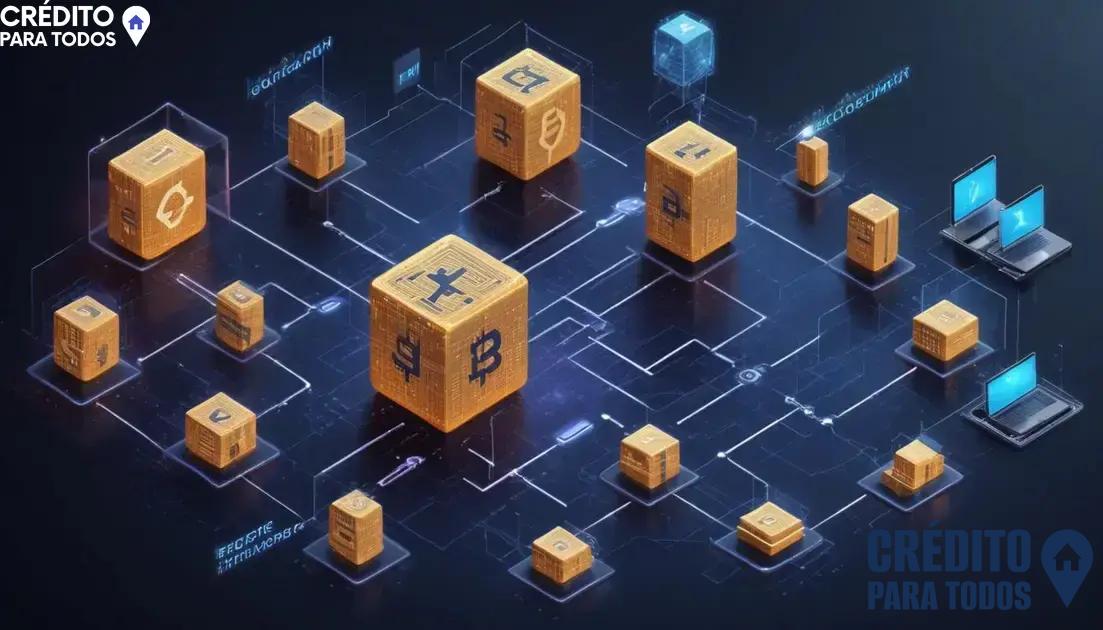
Enhanced Security
One of the primary benefits of blockchain is its security features. Each transaction is recorded in a decentralized ledger, which makes fraud difficult. This security gives consumers peace of mind when completing transactions online.
- Data integrity is maintained across all entries.
- Decentralization reduces single points of failure.
- Transactions are traceable and transparent, building trust.
- Cryptography protects sensitive information.
Moreover, blockchain can streamline transaction processes. With smarter contracts, agreements can be executed automatically when conditions are met. This process not only speeds up payment settlements but also reduces costs associated with intermediaries.
Lower Transaction Costs
Businesses are also seeing benefits in cost reduction. By implementing blockchain, companies can lower transaction fees. Peer-to-peer transactions eliminate the need for banks and payment processors, making transfers cheaper.
This efficiency is particularly beneficial for cross-border payments, where traditional fees can be high. Blockchain can process these transactions quickly and at a fraction of the cost.
As the use of blockchain grows, its influence on the financial landscape will become more profound. In the future, we may see broader adoption of this technology across industries, continuing to reshape how money moves in the digital age.
Security measures for digital payments
Security measures for digital payments are essential for protecting consumers and businesses as online transactions continue to grow. With the increasing use of digital wallets, mobile banking, and contactless payments, financial institutions are investing in advanced technologies to reduce fraud and safeguard sensitive personal and financial information.
Common security features include multi-factor authentication, biometric verification, tokenization, end-to-end encryption, and real-time fraud monitoring. These technologies help verify user identities, secure payment data during transmission, and quickly detect suspicious activity before unauthorized transactions can occur.
As digital payment adoption continues to expand, maintaining strong cybersecurity practices remains a shared responsibility between payment providers and users. Keeping devices and applications updated, using strong passwords, enabling additional authentication methods, and monitoring account activity regularly can significantly reduce the risk of fraud while ensuring safer and more reliable digital transactions.
Encryption Techniques
One key security method is encryption. This process scrambles data to protect sensitive information during transactions. Using encryption ensures that only authorized parties can access the data.
- Data is secured during transfer.
- Encryption helps prevent unauthorized access.
- It maintains the integrity of the transaction.
- Different types include SSL and end-to-end encryption.
Furthermore, two-factor authentication (2FA) is gaining relevance. This adds another layer of security by requiring users to verify their identity using two different methods. It prevents unauthorized access even if passwords are compromised.
Fraud Detection Systems
In addition to encryption and 2FA, many companies now use advanced fraud detection systems. These systems monitor transactions for unusual patterns or behaviors. When suspicious activity is detected, the system can alert users or even block the transaction.
Machine learning is increasingly used in these systems to improve accuracy. By analyzing vast amounts of data, these technologies help reduce false positives and improve customer experience. As technology evolves, so do the tactics of fraudsters. Keeping up with security is essential for both consumers and businesses.
With the right security measures in place, users can enjoy the convenience of digital payments while feeling secure about their information. Understanding and improving these measures is vital for a more secure digital economy.
Consumer preferences and behavior
Understanding consumer preferences and behavior is essential for developing digital payment solutions that meet evolving market demands. As technology advances, consumers increasingly expect payment methods that are fast, secure, convenient, and easy to use across both online and in-person transactions.
Today’s users value features such as contactless payments, digital wallets, real-time transfers, biometric authentication, and seamless checkout experiences. They also place growing importance on data privacy, fraud protection, and the ability to manage their finances through intuitive mobile applications. Businesses that respond to these expectations are better positioned to build customer trust and encourage long-term loyalty.
As consumer behavior continues to evolve, payment providers and merchants must remain adaptable by monitoring emerging trends, investing in innovative technologies, and prioritizing user experience. Aligning digital payment solutions with customer preferences will be critical to driving adoption and maintaining a competitive advantage in an increasingly digital economy.
Shifts in Payment Methods
Today, many consumers prefer using digital wallets and mobile payments over traditional methods. This shift is driven by convenience and speed. People want to complete transactions in just a few taps on their smartphones.
- Contactless payments are favored for their quick transactions.
- Many enjoy the rewards and cash-back programs offered by digital wallets.
- Security concerns lead consumers to trust payments within apps with strong encryption.
- Online shopping boosts the use of digital payment options for simple checkouts.
Age also plays a significant role in shaping payment preferences. Younger generations, like millennials and Gen Z, are more open to new payment technologies compared to older consumers who may prefer traditional credit or debit cards. Businesses must recognize these differences when targeting their audiences.
Consumer Trust and Security
Another factor influencing consumer behavior is trust in digital payment systems. Users seek out brands that prioritize security. They want to know their information is safe from fraud and identity theft.
Providing transparent policies and robust security measures can significantly impact consumer choices. If a company demonstrates a commitment to keeping data safe, it helps build lasting trust.
Additionally, the overall experience matters. A user-friendly interface and quick transaction times greatly enhance satisfaction. When consumers have a positive experience, they are more likely to continue using digital payment solutions.
As digital payments continue to grow, staying aware of consumer preferences and behaviors will be essential for businesses. Listening to consumer feedback can guide companies in refining their offerings to meet evolving demand.
Future predictions for digital payment technologies
Future predictions for digital payment technologies point toward a financial ecosystem that is faster, more secure, and increasingly interconnected. Advancements in artificial intelligence, biometric authentication, contactless payments, and real-time payment networks are expected to make transactions more seamless while reducing fraud and improving the overall user experience.
Emerging technologies such as digital wallets, embedded finance, tokenization, and blockchain-based payment solutions are also expected to play a larger role in everyday commerce. As businesses and consumers adopt these innovations, payment systems will become more personalized, efficient, and accessible across both online and in-store environments.
Looking ahead, digital payment technologies are likely to continue reshaping how people manage and spend money. While innovation will bring greater convenience, it will also increase the importance of cybersecurity, data privacy, and regulatory compliance, ensuring that the future of digital payments remains both reliable and trustworthy.
Increased Use of Artificial Intelligence
AI is expected to play a massive role in shaping digital payments. Companies will use AI to analyze transaction data and detect fraud in real-time. This will help improve security and reduce the chances of fraud.
- Automated customer service will enhance user experience.
- AI algorithms will allow for better targeting of promotions.
- Machine learning will adapt to consumer behavior over time.
- Predictive analytics will optimize payment processes.
In addition, we may witness a rise in personalized payment experiences. As consumer preferences become more distinct, businesses can tailor services to fit these needs, making payments even more convenient for users.
Growth of Cryptocurrency Payments
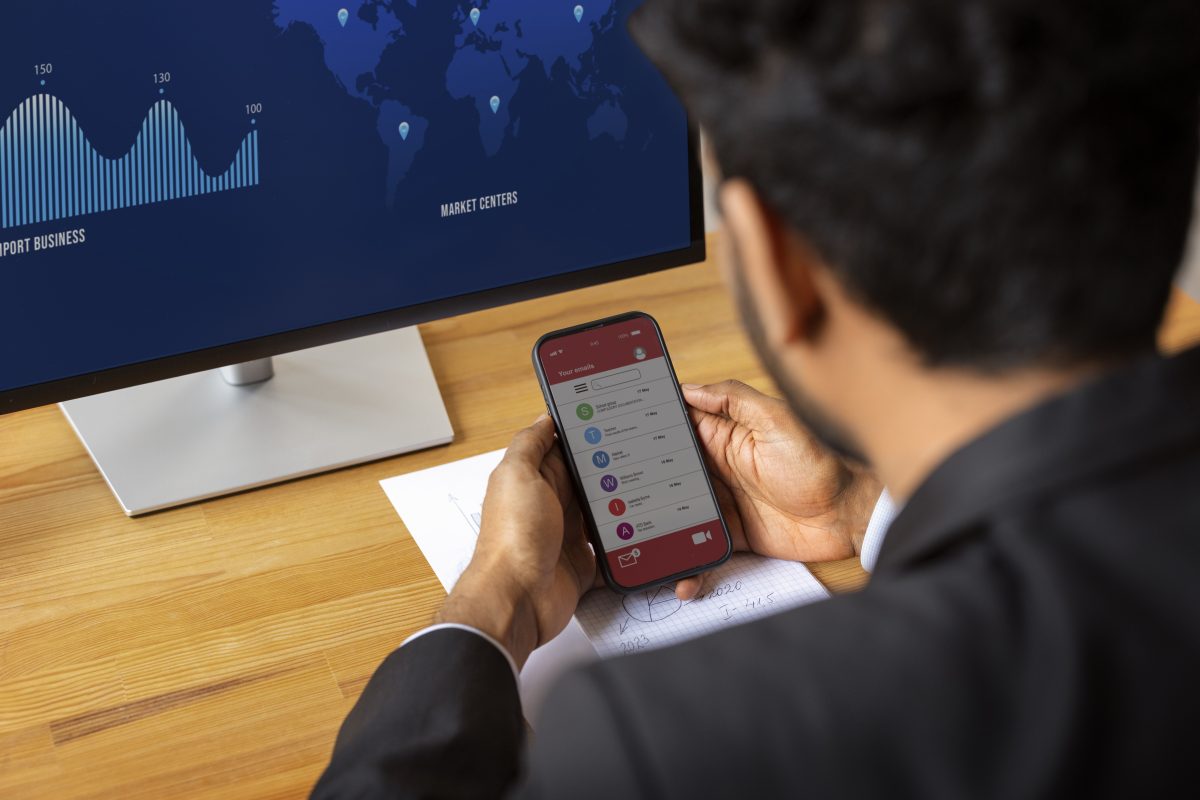
The acceptance of cryptocurrencies is predicted to grow. As awareness increases, more businesses will start to accept digital currencies for transactions. This shift will offer customers more choices.
Cryptocurrencies can provide lower transaction fees and faster processing times compared to traditional banking systems. Moreover, the ability to transact internationally without currency conversion distinguishes cryptocurrencies from traditional methods.
As payment technologies advance, the role of mobile wallets will become even more central. Integration with various platforms and services will enhance user convenience. For instance, wallets may link directly to loyalty programs, allowing seamless redemption of rewards.
The shift towards contactless payments will also likely continue. Consumers enjoy the speed of tapping to pay, which reduces checkout time and enhances the overall shopping experience.
Staying ahead of these trends will help businesses adapt to a rapidly evolving payment environment. Understanding and implementing the latest technologies will be vital for success in the digital economy.
Conclusion
In conclusion, the landscape of digital payments is rapidly evolving. As we look into the future, technologies such as AI and blockchain will continue to reshape transactions, making them more secure and efficient.
Consumers are increasingly leaning towards options like mobile wallets and cryptocurrencies, appreciating their convenience and speed.
Security remains a top priority, ensuring a trustworthy environment for both consumers and businesses. Staying informed about these trends will be essential for adapting and thriving in the digital payment space.
FAQ – Digital Payments and Future Predictions
What impact will AI have on digital payments?
AI will enhance security by detecting fraud in real-time and providing personalized payment experiences for users.
Will cryptocurrencies become commonly accepted?
Yes, more businesses are anticipated to accept cryptocurrencies, providing customers with additional payment options.
How are consumer preferences changing with digital payments?
Consumers are increasingly favoring mobile wallets and contactless payments due to their convenience and speed.
Why is security important in digital payments?
Security is vital to build trust, protect sensitive information, and prevent fraud in online transactions.